Google Algorithm Updates: How They Affect Your Website’s SEO
Introduction
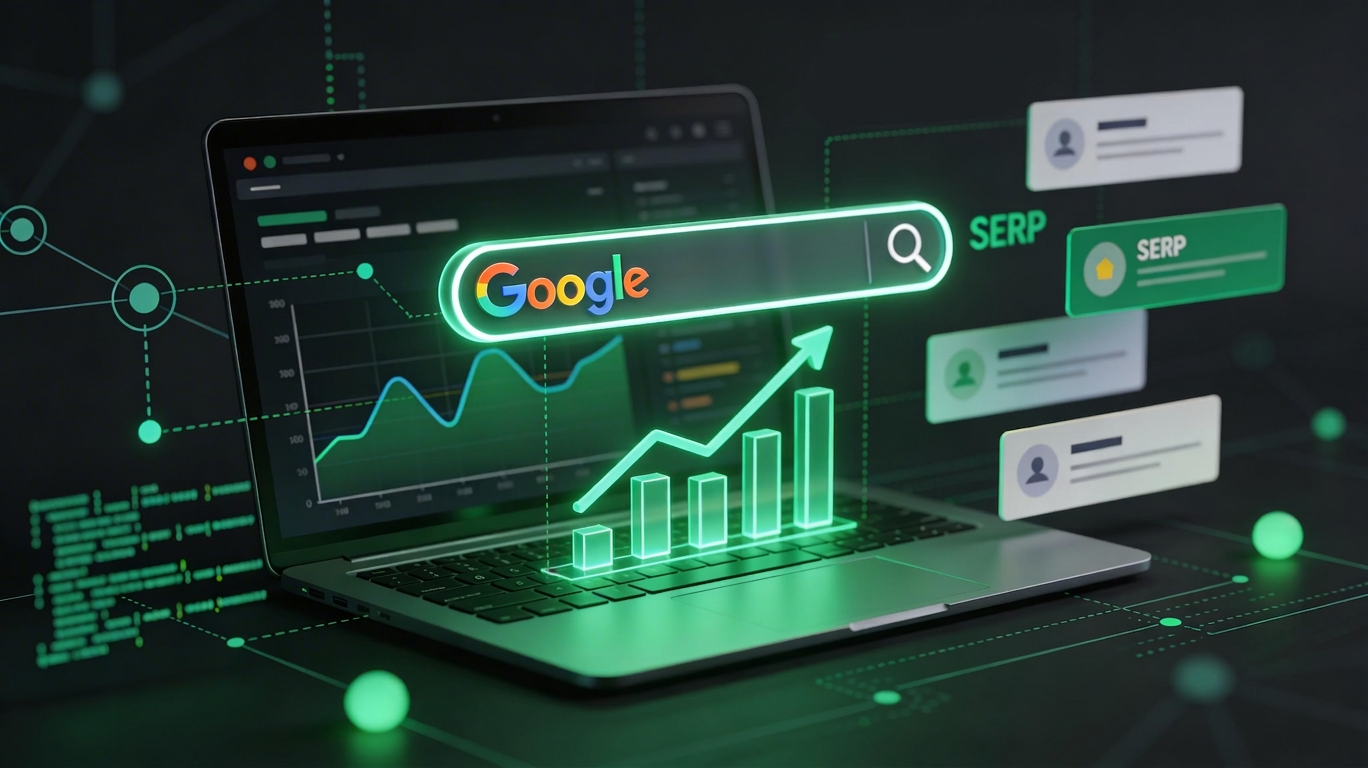
Google constantly updates its search algorithm to provide users with the most relevant and high-quality content. These updates can significantly impact your website’s SEO, affecting rankings, organic traffic, and overall visibility. With major changes like the March 2024 core update and new AI-powered experiences in Search, understanding these updates and how to adapt is more crucial than ever for maintaining or improving your search rankings.
What Are Google Algorithm Updates?
Google algorithm updates are changes made to Google’s search engine ranking system to refine search results. These updates focus on improving user experience by prioritizing authoritative, relevant, and high-quality content while penalizing spammy or manipulative SEO tactics.
Major Google Algorithm Updates
Here are some of the most impactful Google algorithm updates:
Panda Update (2011) – Targeted low-quality, thin, and duplicate content.
Penguin Update (2012) – Penalized manipulative link-building tactics.
Hummingbird Update (2013) – Improved semantic search and keyword understanding.
Mobile-Friendly Update (2015) – Prioritized mobile-friendly websites in search results.
RankBrain (2015) – Introduced AI-driven search ranking adjustments.
BERT Update (2019) – Enhanced Google’s ability to understand natural language queries.
Core Web Vitals Update (2021) – Focused on page experience metrics like speed, responsiveness, and visual stability.
Helpful Content Update (2022) – Rewarded websites offering people-first content instead of SEO-focused content.
Spam Updates (Ongoing) – Continuously target and penalize spammy or black-hat SEO practices.
Recent Google Updates (2024–2026)
To keep your SEO strategy current, it’s important to understand the more recent changes as well:
March 2024 Core Update – A broad core update aimed at reducing low-quality and unhelpful content, with tightened spam policies against scaled content abuse, expired domain abuse, and site reputation abuse.
Helpful content signals integrated into core systems – Google has rolled its helpful content system into the core ranking systems, increasing the weight of genuinely useful, original content over SEO-first, shallow content.
AI Overviews in Search – Google’s AI-generated summaries now appear for many queries, which can reduce clicks for generic answers but increase visibility for sites that are cited as trusted sources.
Evolving Core Web Vitals – Core Web Vitals now emphasize LCP, INP, and CLS, with recommended “good” thresholds of LCP under 2.5 seconds, INP under 200 ms, and CLS under 0.1 for at least 75% of your traffic.
How Google Algorithm Updates Affect Your Website’s SEO
Google’s algorithm updates can either boost your website’s ranking or lead to a drop in organic traffic. Here’s how these updates impact SEO:
- Changes in Search Rankings
When Google releases a major update, websites that follow best SEO practices may see an increase in rankings, while those using outdated or black-hat techniques may experience a drop. Recent core updates especially target unhelpful, mass-produced, or low-value content, so relying on thin or purely AI-spun content is riskier than ever.
- Content Relevance and Quality
Google emphasizes high-quality, relevant, and well-structured content. Updates like Panda, Helpful Content, and the March 2024 core update prioritize websites offering in-depth, user-focused information that genuinely satisfies search intent.
- Backlink Profile Evaluation
The Penguin update and ongoing link spam updates target unnatural or manipulative link-building tactics. A clean and authoritative backlink profile—built through genuine recommendations, PR, and high-quality content—is essential for maintaining strong SEO rankings.
- User Experience Matters
Updates like Core Web Vitals and Mobile-Friendly ranking signals highlight the importance of page load speed, responsiveness, and mobile optimization. Websites with poor UX may rank lower, while sites that meet or exceed Core Web Vitals thresholds (LCP, INP, CLS) have a stronger foundation for long-term visibility.
- AI and Semantic Search Adaptation
RankBrain and BERT updates emphasize natural language processing (NLP) and AI-driven search enhancements. Websites that optimize for semantic search, conversational keywords, and clear topical depth perform better—especially now that AI Overviews can surface concise answers and highlight authoritative sources directly in the SERP.
How to Adapt to Google Algorithm Updates
To protect your website from ranking drops and take advantage of algorithm changes, follow these best practices:
- Focus on High-Quality Content
- Create valuable, informative, and engaging content that solves real user problems.
- Avoid keyword stuffing, thin pages, and duplicate content.
- Optimize for search intent rather than just individual keywords, and aim to add unique insights, data, or perspectives that generic AI content cannot easily replicate.
- Improve Website Performance
- Enhance page speed and mobile responsiveness across all core templates.
- Optimize images, reduce unnecessary scripts, and use efficient hosting/CDN setups.
- Ensure a smooth user experience with intuitive navigation and clear page structure.
- Aim to pass all three Core Web Vitals (LCP, INP, CLS) for at least 75% of users to stay compliant with Google’s latest UX expectations.
- Build High-Quality Backlinks
- Earn links from authoritative and relevant websites in your niche.
- Avoid buying or exchanging low-quality backlinks or participating in link schemes.
- Use natural link-building strategies like guest posting, digital PR, expert quotes, and linkable assets (guides, tools, studies).
- Stay Updated with SEO Trends
- Follow SEO news sources like Search Engine Journal, Moz, and Google’s official Search Central blog for algorithm announcements and best practices.
- Regularly monitor your website’s performance using Google Search Console and Google Analytics to identify traffic changes after updates.
- Keep up with Google’s latest algorithm changes, AI features (like AI Overviews), and evolving ranking systems, then adjust your content and technical SEO strategy accordingly.
Conclusion
Google algorithm updates are inevitable, and staying ahead of them is key to maintaining strong search rankings. By focusing on high-quality content, user experience, and ethical SEO practices—and by keeping up with major changes like the March 2024 core update, AI Overviews, and evolving Core Web Vitals—you can ensure your website thrives despite frequent algorithm changes.
Are you prepared for the next Google algorithm update? Stay proactive and keep optimizing! 🚀
Need Help with SEO?
If you’re looking for a comprehensive SEO audit or want to boost your website’s rankings, our expert team can help. Contact us today to learn more about our SEO services and how we can optimize your website for long-term success. Get in touch now.